

Data Analysis Skills You Can Learn in a Weekend (Even as a Complete Beginner)

What if one weekend was all it took to add a valuable, in-demand skill to your toolkit? Data analysis is one of the most accessible entry points into the tech world in 2026, and you do not need a computer science degree or years of experience to get started. With just a laptop, internet, and a willingness to learn, you can pick up real, practical data analysis skills between Friday evening and Sunday night.
Why Data Analysis Is a Smart First Skill in 2026
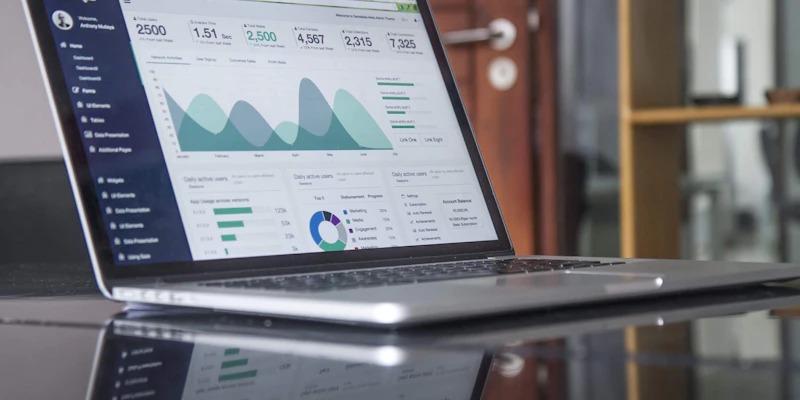
If you have been looking for a way to break into tech and start earning money online, data analysis is one of the best places to begin. Businesses everywhere, from small startups in Lagos to large international companies, need people who can look at numbers and turn them into clear, useful insights. In 2026, this demand has only grown stronger as more African businesses go digital and rely on data to make decisions.
The beauty of data analysis is that you do not need to write complex code or understand advanced mathematics to get started. Many of the tools used by professional analysts are beginner-friendly, visual, and free. You probably already use one of the most important ones every day: spreadsheets.
For beginners in Nigeria and across Africa, data analysis also offers real flexibility. You can work remotely, take on freelance gigs, and build a portfolio from your bedroom. Whether you want a full-time remote career or a profitable side hustle, this skill opens doors.
The Core Skills You Can Actually Learn This Weekend

Let us break this down into specific, learnable skills. You do not have to master everything at once. Think of this as your weekend starter pack: a set of foundational abilities that will make you useful and employable right away.
1. Spreadsheet Fundamentals (Google Sheets or Excel)
This is your number one priority. Learning how to organize, sort, filter, and clean data in a spreadsheet is the foundation of all data analysis. Spend your Friday evening and Saturday morning getting comfortable with functions like SUM, AVERAGE, COUNTIF, and VLOOKUP. These are the building blocks that every analyst uses daily, and they are surprisingly easy to pick up when you practice with real examples.
2. Data Cleaning Basics
Raw data is almost always messy. It has duplicates, blank cells, inconsistent formatting, and errors. Learning to spot and fix these issues is a skill that companies will pay you for. Practice removing duplicates, trimming extra spaces, standardizing date formats, and handling missing values. This alone can take your spreadsheet skills from casual to professional.
3. Creating Simple Visualizations
Numbers on a screen do not always tell a clear story. But a well-made chart or graph can communicate an insight instantly. On Saturday afternoon, practice creating bar charts, pie charts, and line graphs from sample datasets. Google Sheets makes this simple. If you want to go a step further, explore free tools like Google Looker Studio to build basic dashboards.
4. Summarizing and Presenting Insights
This is where many beginners overlook a huge opportunity. Being able to look at a dataset and clearly explain what it means is incredibly valuable. Practice writing short summaries of what your data shows. For example: "Sales increased by 30% in Q1 compared to last quarter, driven mainly by mobile orders." This communication skill sets you apart from people who can only crunch numbers without context.
5. Introduction to Pivot Tables
If you have time on Sunday, learn the basics of pivot tables. They allow you to summarize large datasets quickly, group information, and spot patterns without writing a single formula. Pivot tables might sound intimidating, but once you build your first one, you will realize they are one of the most powerful and easy-to-use features in any spreadsheet tool.
How to Practice and Build Proof of Your Skills
Learning is important, but having something to show for it is what actually gets you hired or lands you freelance clients. Here is how to turn your weekend of learning into tangible results.
- Download free datasets from sites like Kaggle, Google Dataset Search, or data.gov. Pick a topic you find interesting, like sports, music, or e-commerce.
- Complete a mini-project: clean the data, create charts, and write a one-page summary of your findings. This becomes the first piece in your portfolio.
- Share your work publicly. Post your charts and insights on LinkedIn or Twitter with a short explanation of what you did. This signals to potential employers and clients that you have practical skills.
- Create a simple portfolio document or webpage where you store your projects. Even two or three small projects can be enough to start applying for entry-level data roles or freelance gigs on platforms like Upwork and Fiverr.
The key is to start before you feel ready. You do not need to wait until you know everything. A weekend project with real data and clear insights is worth more than months of passive tutorials.
Your Roadmap After the Weekend
Once you have your weekend foundation in place, here is what your learning path could look like over the next few weeks and months in 2026.
- Week 2: Learn the basics of SQL to query databases. Many free resources and courses exist, and SQL is one of the most requested skills in data job listings across Africa and globally.
- Week 3 to 4: Explore a beginner-friendly tool like Python with Pandas, or keep strengthening your spreadsheet and visualization skills with Google Looker Studio.
- Month 2: Take on a small freelance project or volunteer to analyze data for a local business, nonprofit, or community organization. Real-world experience is the fastest way to level up.
- Month 3 and beyond: Start applying to remote data analysis roles, contribute to open-source data projects, and continue building your portfolio with more complex analyses.
The path from complete beginner to earning money with data analysis is shorter than most people think. The tools are free, the learning resources are widely available, and the demand for these skills in Africa and worldwide continues to grow in 2026. All you need is one focused weekend to get the ball rolling.
You are not behind. You are not too late. The best time to start learning data analysis is right now, and the best part is that you can make meaningful progress before Monday morning.
Ready to Learn This Skill?
Start building real tech skills today on Casetech.


