

Google Analytics for Beginners: A Simple Guide to Understanding Your Website Data in 2026

Imagine being able to see exactly who visits your website, where they come from, and what they do when they land on your pages. That is the power of Google Analytics, and the best part is that it is completely free. Whether you are building a blog, running an online store, or offering freelance services, learning Google Analytics in 2026 is one of the smartest moves you can make to grow your online income.
What Is Google Analytics and Why Should You Care?
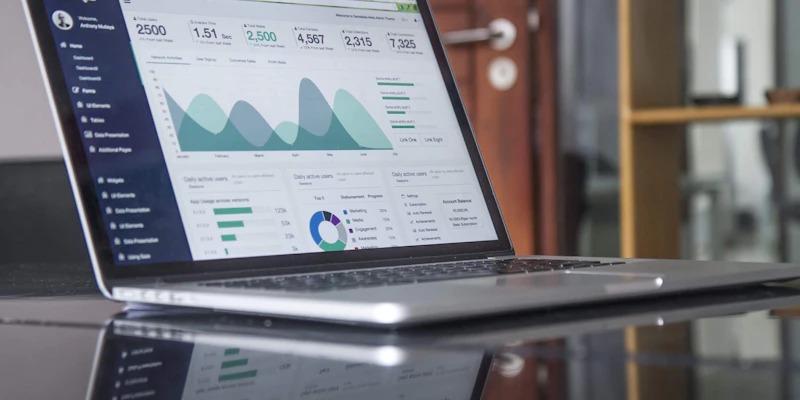
Google Analytics is a free tool from Google that tracks and reports website traffic. It tells you how many people visit your site, which pages they look at, how long they stay, and where they come from. Think of it as a window into your audience's behavior. Instead of guessing what works on your website, you get real data to guide your decisions.
Now, you might be wondering why this matters to you as a beginner in Nigeria or anywhere in Africa. Here is the truth: businesses and clients everywhere are willing to pay good money for someone who understands data. Digital marketing is booming across the continent, and companies need people who can read analytics reports, spot trends, and recommend actions. Learning this skill puts you ahead of the crowd and opens doors to freelance gigs, remote jobs, and even your own online business.
In 2026, Google Analytics 4 (also known as GA4) is the standard version. It replaced the older Universal Analytics, so every tutorial and skill you build now should focus on GA4. The good news is that GA4 is designed to be more flexible and future-ready, so you are learning something that will stay relevant for years.
How to Set Up Google Analytics on Your Website

Setting up Google Analytics is easier than you might think. You do not need to be a developer or a coding expert. Here is a simple step-by-step process to get started:
- Go to analytics.google.com and sign in with your Google account. If you do not have one, create a free Gmail account first.
- Click on "Start measuring" and enter your account name. This can be your business name or your personal brand name.
- Set up a property by entering your website name, selecting your time zone (choose Lagos or your nearest city), and picking your currency (Nigerian Naira works perfectly).
- Choose "Web" as your platform, then enter your website URL.
- Google will give you a Measurement ID and a small piece of tracking code. Copy this code and paste it into the header section of your website. If you use WordPress, plugins like Site Kit by Google make this incredibly simple with just a few clicks.
- Once the code is installed, go back to your Google Analytics dashboard and verify that data is coming in. It usually takes a few hours for the first data to appear.
That is it. You now have Google Analytics running on your website. Every visitor, every page view, and every action will be tracked automatically from this point forward.
Understanding Key Reports and Metrics
Once your data starts flowing in, the next step is learning how to read it. GA4 organizes information into several reports, but as a beginner, you should focus on the ones that matter most. Let us break them down in plain language.
The Realtime Report shows you what is happening on your website right now. You can see how many people are on your site at this very moment, which pages they are viewing, and where they are located. This is great for checking if a new blog post or social media campaign is driving immediate traffic.
The Acquisition Report answers the question, "Where are my visitors coming from?" It breaks down your traffic into categories like organic search (people who found you on Google), direct traffic (people who typed your URL), social media, and referral traffic from other websites. Understanding this helps you know which marketing channels are working best for you.
The Engagement Report tells you what people do after they arrive. You can see which pages are most popular, how long visitors spend on your site, and which events they trigger (like clicking a button or watching a video). If people are leaving your site quickly, this report helps you figure out why.
The Demographics Report shows who your visitors are, including their country, city, age range, and interests. For someone in Africa building an online business or offering freelance services to international clients, this data is pure gold. It helps you tailor your content and marketing to the right audience.
- Users: The number of unique people who visited your site.
- Sessions: The total number of visits (one person can have multiple sessions).
- Engagement Rate: The percentage of sessions where users actually interacted with your content.
- Conversions: The actions you define as valuable, like signing up for a newsletter or making a purchase.
Practical Tips to Turn This Skill Into Income
Learning Google Analytics is not just about understanding charts and numbers. It is about turning that knowledge into real opportunities. Here are practical ways you can start earning with this skill in 2026:
First, offer analytics reporting as a freelance service. Many small business owners in Nigeria, Ghana, Kenya, South Africa, and beyond have websites but do not understand their data. You can set up Google Analytics for them, create monthly reports, and advise them on how to improve. Platforms like Fiverr, Upwork, and even LinkedIn are full of clients looking for exactly this kind of help.
Second, use analytics to grow your own online projects. If you run a blog, YouTube channel, or online store, Google Analytics shows you what content performs best so you can create more of it. Data-driven decisions almost always outperform guesswork.
Third, combine this skill with other digital marketing skills like SEO, social media marketing, or paid advertising. When you can both run a campaign and measure its results, you become incredibly valuable to any team or client. Employers and businesses are actively hiring people with this combination of skills in 2026.
Finally, consider getting the Google Analytics Individual Qualification (GAIQ). It is a free certification from Google that proves your knowledge and looks great on your resume or freelance profile. It can be the difference between landing a job and being passed over.
The journey from complete beginner to confident analytics user does not have to take long. With consistent practice and the right guidance, you can start reading data like a pro within a few weeks. The key is to start now, set up analytics on any website you have access to, and explore the reports with curiosity. Every click you make inside that dashboard is a step closer to a skill that pays.
Ready to Learn This Skill?
Start building real tech skills today on Casetech.


