

Google Analytics for Beginners: How to Track, Understand, and Grow Your Online Presence in 2026

Imagine being able to see exactly who visits your website, where they come from, what they click on, and why they leave. That is not magic. It is Google Analytics, and in 2026, learning how to use it is one of the smartest moves you can make to earn money online.
Whether you are building your own website, running a side hustle, or trying to land a remote digital marketing job, understanding Google Analytics gives you a serious edge. Businesses across Nigeria, Africa, and the entire world need people who can read data and turn it into smart decisions. The best part? Google Analytics is completely free to use, and you do not need a tech degree to learn it.
In this guide, we are going to break everything down in plain language. No confusing jargon. No assumptions. Just practical knowledge you can start using today.
What Is Google Analytics and Why Should You Care?
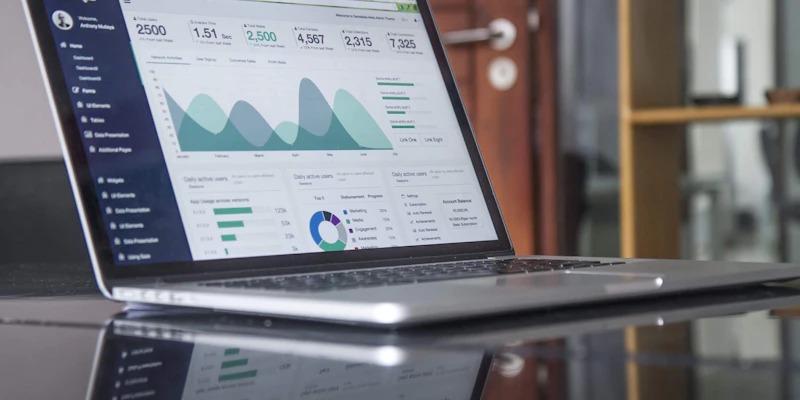
Google Analytics is a free tool created by Google that tracks and reports website traffic. When you install it on a website, it quietly collects data about every visitor. It tells you how many people visited, which pages they looked at, how long they stayed, and what device they used.
Now, you might be thinking, "Why does that matter to me?" Here is the honest answer: data is the new currency of the internet. In 2026, every business with an online presence needs someone who understands their numbers. That someone could be you.
Here are some real ways people in Nigeria and across Africa are using Google Analytics skills to earn money:
- Freelancing as a data analyst or digital marketing consultant on platforms like Upwork and Fiverr
- Helping small business owners understand their website performance
- Running smarter ad campaigns on Google and social media by understanding what the data says
- Optimizing their own blogs or e-commerce stores to generate more traffic and sales
- Landing full-time remote jobs with international companies that need analytics support
Google Analytics is not just a tool. It is a career skill that pays. And because the latest version, Google Analytics 4 (GA4), is the standard in 2026, learning it now puts you right where the industry is headed.
How to Set Up Google Analytics on Your Website (Step by Step)

Setting up Google Analytics is easier than most people think. You do not need to write complex code or hire a developer. Here is a simple walkthrough to get you started:
First, go to analytics.google.com and sign in with your Google account. If you have a Gmail address, you already have a Google account. Click on "Start measuring" to create your Analytics property. A property is basically the name Google uses for the website or app you want to track.
Next, you will fill in some basic information like your website name, your time zone, and your currency. For most users in Nigeria, you would select West Africa Time and Nigerian Naira.
After that, Google will generate a unique tracking code called a Measurement ID. It looks something like "G-XXXXXXXXXX." You need to add this code to your website. If you are using WordPress, you can install a free plugin like Site Kit by Google, which connects everything automatically. If you are using Wix, Shopify, or any other website builder, there is usually a dedicated field in the settings where you paste the Measurement ID.
Once the code is installed, Google Analytics starts collecting data within 24 to 48 hours. That is it. You are officially tracking your website.
One important tip: make sure you are using Google Analytics 4, not the older Universal Analytics. Universal Analytics was retired in 2023, and GA4 is the only version supported in 2026. If you are following any tutorial and it looks different from what you see on your screen, it is probably outdated.
Understanding the Key Reports Every Beginner Needs to Know
Once your data starts flowing in, the Google Analytics dashboard can look a little overwhelming. There are charts, numbers, and menus everywhere. But do not worry. As a beginner, you only need to focus on a few key reports to get real value.
The first report to master is the Realtime report. This shows you who is on your website right now, at this very moment. It is useful for checking if your tracking code is working and for monitoring traffic spikes during a promotion or campaign launch.
The second important area is the Acquisition report. This tells you where your visitors are coming from. Are they finding you through Google search? Social media? A link someone shared on WhatsApp? Understanding your traffic sources helps you know where to focus your marketing efforts.
Third is the Engagement report. This is where you see which pages people visit the most, how long they spend on each page, and what actions they take. If you have a blog, this report tells you which articles are performing well and which ones need improvement.
Finally, the Demographics report gives you information about your audience, like their location, age range, and interests. This is incredibly valuable if you are running a business or creating content for a specific audience.
Here is a quick cheat sheet for the metrics you should pay attention to:
- Users: The total number of unique visitors to your site
- Sessions: The total number of visits, including repeat visits from the same user
- Engagement Rate: The percentage of sessions where users actually interacted with your content
- Average Engagement Time: How long people are actively spending on your pages
- Conversions: Actions you define as important, such as a purchase, signup, or form submission
You do not need to memorize everything at once. Start with one report, get comfortable, and then explore the next one. Learning Google Analytics is a process, not a race.
Turning Your Analytics Knowledge Into Real Income
Here is where things get exciting. Once you understand how to read and interpret Google Analytics data, you become valuable to a wide range of businesses. And in 2026, that value translates directly into income.
If you want to freelance, you can offer services like monthly analytics reporting, website audits, or campaign performance tracking. Many small business owners, especially in growing African markets, know they need a website but have no idea if it is actually working. You can be the person who answers that question for them.
If you prefer employment, digital marketing roles almost always list Google Analytics as a required or preferred skill. Having hands-on experience with GA4 makes your CV stand out, especially when paired with a certification. Google offers a free GA4 certification through its Skillshop platform, and completing it in 2026 shows employers you are up to date.
The key is to practice with real data. Set up Google Analytics on your own blog, portfolio site, or a friend's small business website. The more you work with real numbers, the faster you build confidence and competence.
You can also combine your analytics skills with other digital marketing skills like SEO, content marketing, or social media management. When you can both create a strategy and measure its results, you become the full package that businesses are willing to pay premium rates for.
Remember, every expert was once a beginner. The fact that you are reading this guide right now means you are already ahead of most people. Keep going.
Ready to Learn This Skill?
Start building real tech skills today on Casetech.


